Friday 30 October 2026 at 18h00
Entzheim - Espace Plein Ciel , 5, allée de l'Europe 67960 Entzheim

20260415171813.png)
20260415174541.png)


20260209161146.png)
20241030170320.png)

20260209161740.png)
20260209163211.png)
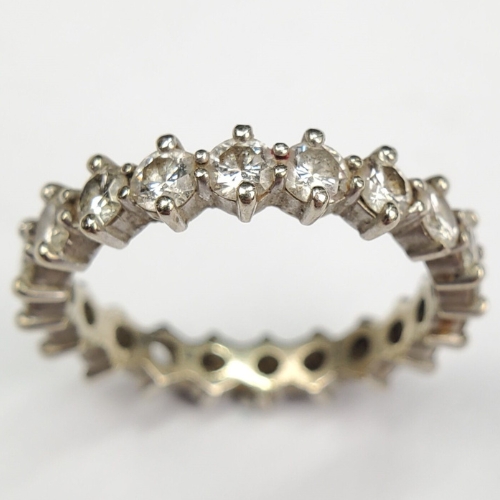 ALLIANCE
The history of jewellery goes back thousands of years. The first jewellery was often made from natural materials such as shells, stones, bones or animal teeth, used as symbols of status, protection or belonging to a group. Over the centuries, the art of jewellery-making was perfected, and precious metals such as gold and silver were used to create ornaments designed to embellish or symbolise emotional ties.
Wedding rings originated in ancient Egypt, where couples wore rings to symbolise the eternity of their union. The Egyptians chose rings made of straw, leather or other simple materials, and later gold, because of its rarity and durability. The ring's circle, without beginning or end, represented the infinity of love and commitment.
This tradition developed over the centuries and was widely popularised in Europe in the Middle Ages, particularly through the use of precious metal rings. In the 15th century, Emperor Maximilian of Habsburg (1459-1519) is said to have given Mary of Burgundy (1457-1482) a ring set with a diamond, marking the beginning of the use of precious stones in engagement rings. This gesture strongly influenced the custom of engagement and wedding rings in Western societies.
The wedding ring remains a universal symbol of commitment and fidelity, although each culture has its own variations. Throughout its history, jewellery has combined beauty, meaning and emotion, through centuries of tradition and evolution.